


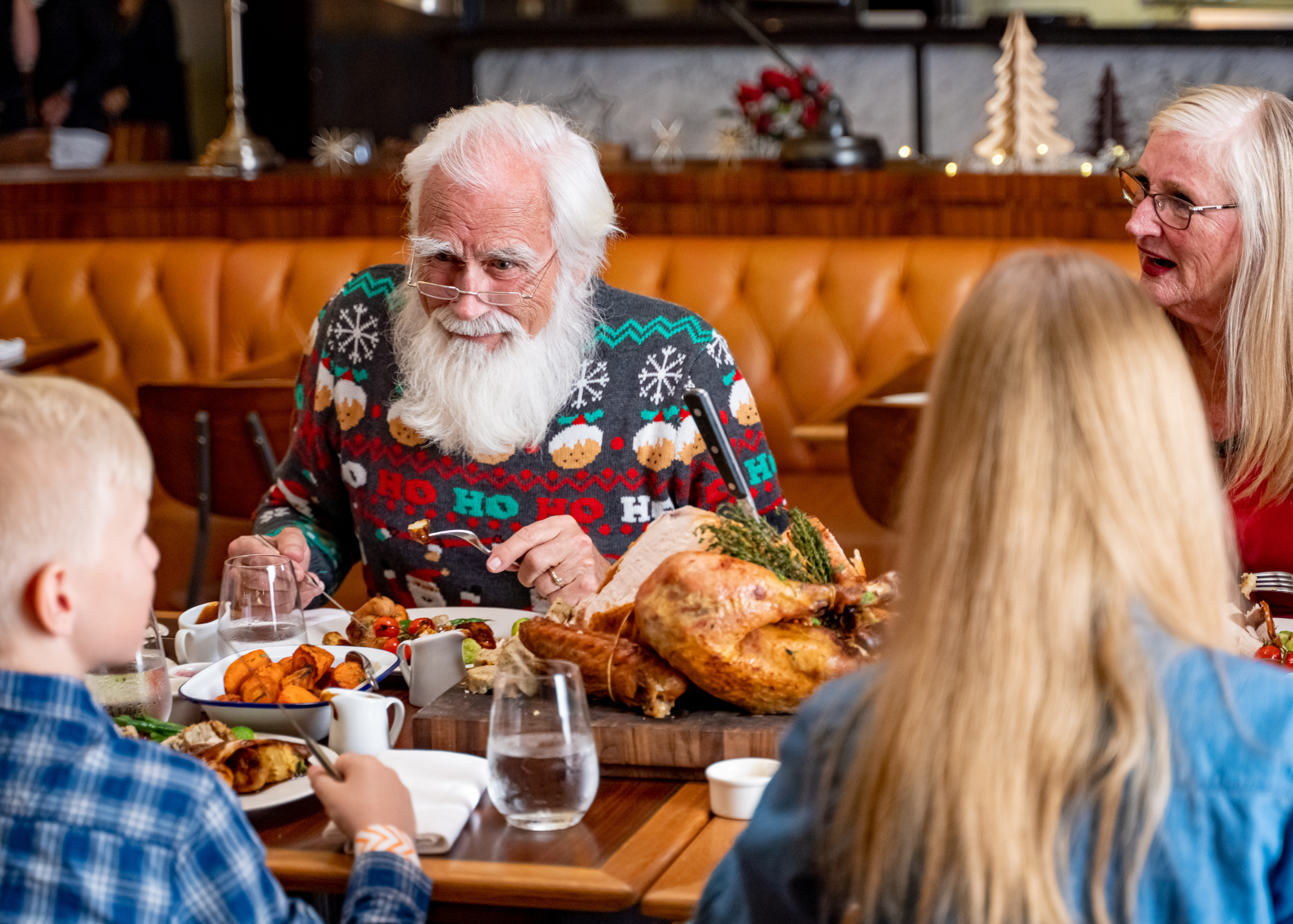
The holiday season is often described as a time of joy, family gatherings, and celebration. However, for individuals living with Alzheimer’s or dementia—and their caregivers—it can be overwhelming. Changes in routine, crowded environments, unfamiliar visitors, and sensory overstimulation can trigger confusion, anxiety, or agitation. With thoughtful planning and proactive strategies, families can help their loved ones enjoy the season safely and comfortably while minimizing stress for everyone involved.
Understand the Impact of Holiday Changes
Alzheimer’s symptoms, including memory loss, disorientation, and mood swings, are often exacerbated by sudden changes in routine. During the holidays, daily schedules may be disrupted by travel, late-night gatherings, or an influx of visitors. Even small adjustments, like a different mealtime or a new decoration, can confuse someone with dementia. Recognizing that these changes can increase stress helps caregivers prepare and respond with patience and empathy.
Plan Ahead for Gatherings
Before hosting or attending events, consider the environment from the perspective of your loved one. Reduce sensory overload by keeping the space quiet, limiting decorations that may be visually or audibly overwhelming, and maintaining familiar routines as much as possible. If a large family gathering is unavoidable, create a calm retreat area where your loved one can rest or take a break when needed. Planning in advance also allows caregivers to schedule meals, medications, and naps around the event, helping to maintain stability in their day.
Keep Communication Simple and Supportive
During holiday interactions, it’s essential to communicate clearly and calmly. Use simple language, short sentences, and gentle guidance. Encourage participation in activities that are familiar and enjoyable, such as decorating a small tree together or listening to favorite holiday music. Avoid quizzing or correcting them repeatedly, which can lead to frustration or agitation. The goal is to focus on creating positive, meaningful experiences rather than adhering to strict expectations.
Encourage Participation at Their Own Pace
People living with Alzheimer’s often benefit from being included in holiday traditions, but their participation should be guided by comfort and capability. Offer choices rather than directives—such as helping set the table, wrapping gifts, or baking cookies—and allow them to opt out if they become tired or anxious. Small, manageable tasks can provide a sense of purpose and accomplishment without overwhelming them.
Maintain Routine Where Possible
While the holiday season brings disruptions, maintaining key routines can reduce stress. Keeping regular meal times, sleep schedules, and medication routines is crucial. Even small consistencies, such as reading a familiar story or enjoying a favorite holiday treat at the usual time, can create a sense of stability. Familiar routines serve as an anchor, helping your loved one feel secure amidst seasonal changes.
Caregiver Support is Essential
Caring for someone with Alzheimer’s during the holidays can be emotionally and physically exhausting. Caregivers should enlist support from family or friends, schedule breaks, and accept help when offered. Even short periods of respite or self-care can improve patience and resilience, making it easier to provide compassionate care. Remember, the holiday season is about connection and joy—not perfection.
Use Technology for Connection
For family members who cannot attend in person, virtual calls or video messages can maintain connections without adding stress. This approach allows your loved one to feel included while avoiding overstimulation. Simple, predictable interactions, like a short video greeting from grandchildren, can provide comfort and familiarity.
Navigate the Holidays
Managing Alzheimer’s symptoms during the holiday season requires planning, empathy, and flexibility. By understanding potential triggers, maintaining routines, simplifying communication, and encouraging participation at a comfortable pace, caregivers can help their loved ones navigate the holidays safely and enjoyably. With patience and thoughtful preparation, the season can still be a time of warmth, connection, and meaningful memories, even in the midst of cognitive challenges.


